Do You Need a US Phone Number as a Tourist, or Is Data Enough?
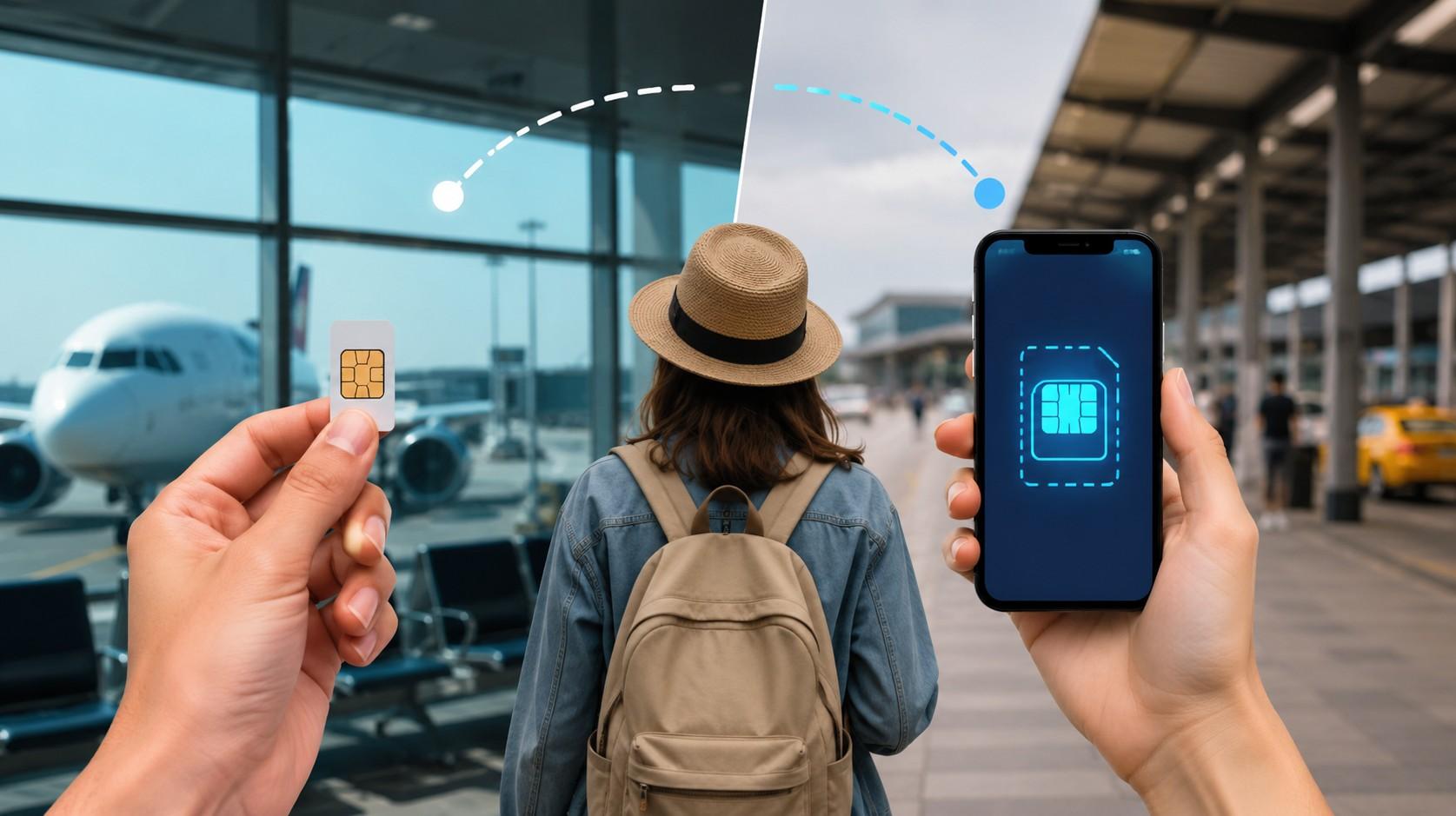
A US phone number is a +1 line issued by an American carrier that can place voice calls and receive SMS messages. A data-only eSIM is a mobile internet connection with no number attached at all. Most travel eSIMs sold for the United States, including Vesim plans from $0.60, fall into the second category, and for the majority of visitors that is enough.
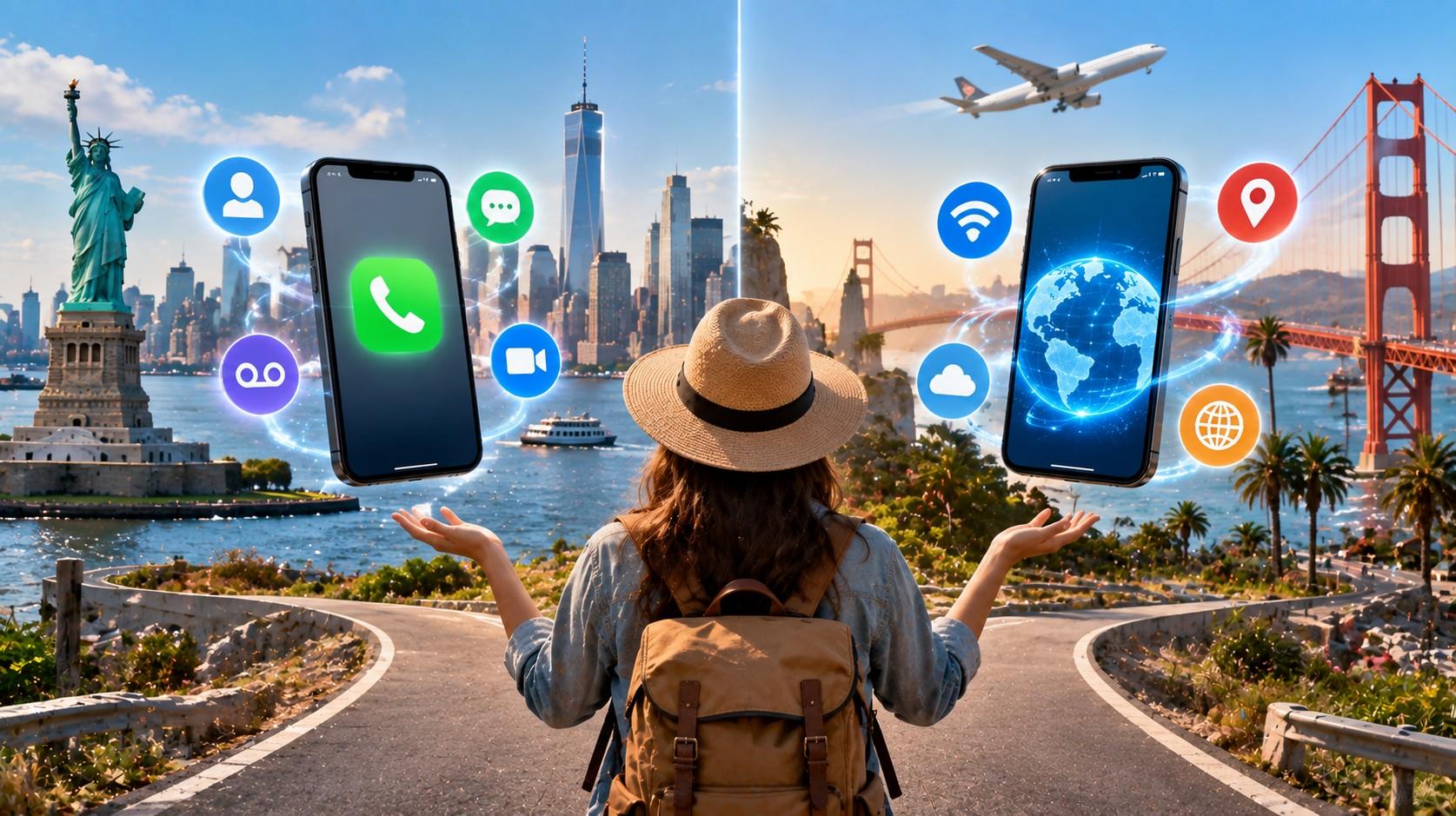
Enough depends on one question: does anything on your trip send a text to a number rather than an email to an address? Maps, rideshare, restaurant bookings, hotel check-in, WhatsApp calls home and every social app run on data alone. American bank verification, Zelle, Venmo, Cash App, some Coinbase logins and a handful of app signups send an SMS code that a data-only line cannot receive.
Industry figures put roughly 70% of travelers on data-only plans, keeping their home number live on the original SIM while data routes through the cheaper local connection. That dual-line setup preserves the number your bank at home already texts, which is the verification path most visitors actually need.
This guide separates the two cases. It covers what a data-only eSIM does and does not carry, exactly which apps work without a US number, which ones break, how dual-SIM keeps your home number reachable, the three routes to a +1 number if you need one, why banks reject Google Voice and other VoIP numbers, and a decision guide by traveler type. Start with the United States eSIM plan list and read on before deciding whether you need more.
What a data-only eSIM carries and what it leaves out
Data-only means internet access with no voice line and no SMS capability. The eSIM profile authenticates your device on an American network for data traffic and nothing else. There is no number to give anyone, and no inbox for text messages.
That sounds like a large gap and mostly is not, because internet-based communication has replaced carrier services for travelers. WhatsApp, FaceTime, Telegram, Signal, Messenger and Google Meet all place calls over data. Email works. Video calls work. Group chats work.
The gap is narrow and specific: anything that authenticates you by sending a text to an American number. That includes US bank logins, domestic payment apps, and occasionally a rideshare or delivery signup that rejects foreign numbers.
Your home number is the reason the gap rarely bites. Knowing which side of the line each app sits on removes most of the uncertainty.
What still works without a US number
Everything on this list runs purely on data and needs no phone number of any kind:
• Google Maps and Apple Maps, including live navigation and transit directions
• Uber and Lyft, provided your account was created before you travelled
• WhatsApp, Telegram, Signal and iMessage, for text, voice and video
• FaceTime and Google Meet for calls home
• Instagram, TikTok, X and Facebook
• Airbnb, Booking.com and hotel apps, which message through the platform
• OpenTable and Resy for restaurant reservations
• Gmail, Outlook and every webmail service
• Spotify, Netflix, YouTube and streaming generally
• Airline apps and mobile boarding passes
One detail is worth pinning down before you fly. WhatsApp verifies your account against the number you registered with, not the network you are connected to. Since your account already belongs to your home number, it keeps working in America over the eSIM data connection with no reverification.
Calling an American business is the one common task that needs thought. Restaurants, clinics and taxi dispatchers list phone numbers, not chat handles. WhatsApp cannot dial them. Skype credit, Google Voice outbound calling or your home SIM at international rates all solve it, and the last option costs the most.
The list of what breaks is shorter and sharper.
What breaks without a US phone number
Four categories fail on a data-only plan, and all four share the same cause.
US bank and financial verification. American banks text one-time passcodes to US numbers. Opening an account, resetting a password or authorizing a transfer from a Chase or Bank of America login will stall without one. Visitors managing an existing US account are the group most affected.
Domestic payment apps. Zelle, Venmo and Cash App require an American number for registration and step-up verification. Splitting a restaurant bill with an American friend is where travelers usually discover this.
Some app signups. A minority of US services reject foreign numbers at registration. Creating a fresh Uber or DoorDash account inside the United States occasionally hits this, which is why creating accounts before departure matters.
Inbound calls from Americans. Hosts, tour operators and rental car desks sometimes call rather than message. A foreign number reaches you but costs them an international call, and some simply will not dial it.
Notice what is absent from that list. Nothing about navigation, nothing about rideshare on an existing account, nothing about messaging home. The failures cluster tightly around American financial and identity systems.
Most of them have a workaround that costs nothing.
Keeping your home number live with dual SIM
Dual-SIM operation is the setting that makes data-only viable, and it is why removing your home SIM for a physical American card is usually the wrong move.
Your phone runs two lines at once. Line one holds your home SIM, keeps your regular number active, and continues receiving calls and texts including the verification codes your home bank sends. Line two holds the travel eSIM and carries all data at local rates.
Configure it in this order:
1. Install the eSIM at home on Wi-Fi, a day or two before departure.
2. Label the new line so you can identify it in settings.
3. Disable data roaming on your home SIM to stop background charges.
4. Leave the home line switched on for calls and SMS.
5. After landing, enable data roaming on the eSIM line only.
6. Set the eSIM as your default data line in cellular settings.
Receiving an SMS while roaming is free on almost every carrier worldwide, so verification codes arrive at no cost. Answering a call costs money on most tariffs, which is worth knowing before a long conversation.
That setup covers home-country verification completely. It does nothing for American verification, which needs a different answer.
Three ways to get a +1 number
If your trip genuinely requires an American number, three routes exist at different prices and levels of acceptance.
Carrier prepaid SIM. T-Mobile, AT&T and Verizon sell prepaid plans with a real +1 line, unlimited domestic calls and texts, and no credit check. A passport satisfies registration. Cost runs $40 to $65 per month, plus a $10 to $25 activation fee at airport counters. This is the most widely accepted option because the number belongs to a genuine carrier.
eSIM with a bundled US number. A small number of providers attach a real +1 line to a travel eSIM. Coverage is limited and pricing sits above data-only equivalents, but installation stays digital.
Virtual or VoIP number. Google Voice, TextNow and similar services issue an American number over the internet, sometimes free. Setup is easy and the acceptance rate is poor, for reasons worth understanding.
Cost and convenience point in opposite directions here. The cheapest option is the one most likely to be refused at exactly the moment you need it.
Why banks reject VoIP numbers
American financial institutions detect and block VoIP numbers during verification, and the practice has hardened over recent years.
Fraud prevention drives it. Virtual numbers can be acquired anonymously, in bulk, from anywhere in the world, which makes them attractive for account takeover attempts. Carrier-issued numbers require identity registration and tie to a physical SIM or eSIM profile, which raises the cost of abuse considerably.
Banks check number type against carrier databases in real time. A Google Voice line is flagged as VoIP at the moment of the check, and the code simply never sends. Zelle, Venmo, Cash App and most brokerage platforms apply the same filter.
Where VoIP still works is lower-stakes verification: signing up for a loyalty program, receiving a delivery notification, or giving a restaurant a callback number. For anything touching money or identity, assume it will fail and plan around it.
Matching the route to your actual trip is the last step.
Decision guide by traveler type
Find the row closest to your situation.
Traveler
What you need
Why
Two-week vacation, sightseeing
Data-only eSIM
Maps, rideshare and WhatsApp cover everything
Business trip, meetings and email
Data-only eSIM
Calls run over Teams, Zoom or WhatsApp
Visiting family, calling US landlines
Data-only plus Skype credit
Outbound calling costs cents per minute
Managing a US bank account
Carrier prepaid SIM
OTP codes require a real +1 line
Splitting costs with Americans
Carrier prepaid SIM
Zelle and Venmo need a US number
Digital nomad, three months plus
Data-only eSIM, then MVNO
Order a Mint or US Mobile card once you have an address
Student on a short course
Data-only eSIM
Campus Wi-Fi plus data covers most needs
The pattern holds across almost every itinerary. Tourists need data. People engaging with American financial and identity systems need a number, and no amount of data substitutes for it. Long-stay travelers can use both in sequence, with an eSIM covering the first weeks and an MVNO card arriving once an address exists.
Vesim covers 220+ destinations on the data-only model, and our comparison of eSIM against physical SIM in the USA prices the crossover point in detail.
Frequently asked questions
Do I need a US phone number as a tourist?
Most tourists do not. Navigation, rideshare, messaging, bookings and calls home all run on data alone, and your home SIM keeps receiving verification texts from your own bank. A +1 number becomes necessary only for US bank verification, Zelle, Venmo and Cash App.
Does a travel eSIM come with a phone number?
No, in almost every case. Vesim United States plans and most competing travel eSIMs are data-only, providing mobile internet with no number, no SMS and no voice line. Around 70% of travelers choose data-only precisely because they want to keep their home number.
Can I use WhatsApp with a data-only eSIM?
Yes. WhatsApp is tied to the number you originally registered with, not the network you are currently connected to. It works over the eSIM data connection with no reverification. The same applies to Telegram, Signal and iMessage.
Can I receive SMS on a data-only eSIM?
No. There is no number attached, so nothing can send you a text on that line. Your home SIM continues receiving SMS while roaming, usually at no charge, which covers verification codes from your own bank and services.
Will Uber work without a US phone number?
Yes, provided your account already exists. Log in with your existing credentials and book normally over data. Creating a brand new account inside the United States occasionally requires a US number, which is why setting up rideshare apps before departure is worth doing.
Can I use Google Voice for US verification?
Rarely for anything financial. American banks and payment apps detect VoIP numbers in real time and block them to reduce fraud, so the code never arrives. Google Voice works for loyalty signups, delivery alerts and callback numbers, but not for Zelle, Venmo or bank logins.
How do I call a US business without a US number?
Use Skype credit, Google Voice outbound calling or your home SIM at international rates. Skype charges a few cents per minute to American landlines and mobiles, which is far cheaper than roaming voice rates on most home tariffs.
Can I keep my home number and use a US eSIM at the same time?
Yes, and this is the standard setup. Your home SIM stays on line one for calls and texts while the eSIM runs on line two for data. Switch off data roaming on the home line and set the eSIM as your default data connection.
How do I get a real +1 phone number as a visitor?
Buy a prepaid SIM from T-Mobile, AT&T or Verizon with a passport. No credit check or Social Security number is required. Plans run $40 to $65 per month, plus a $10 to $25 activation fee if you buy at an airport counter rather than a city store.
Do I need a US number to open a bank account in America?
Yes, in practice. American banks send one-time passcodes to US numbers during account opening and subsequent logins, and they reject VoIP alternatives. A carrier prepaid line is the reliable route for anyone dealing with US financial institutions.
Will my home carrier charge me for texts received in the USA?
Receiving SMS while roaming is free on almost every carrier worldwide. Sending texts and answering calls does cost money on most tariffs. Check your specific rates before travelling, and switch off data roaming on the home line so only messaging remains active.
Is a data-only eSIM cheaper than a US prepaid SIM?
Considerably. Data-only plans start at $0.60 and cover a two-week trip for $14 to $30, against $40 to $65 per month for a carrier prepaid plan with a number attached. You pay the difference for the +1 line and unlimited domestic calls most visitors never place.
Can I run a data-only eSIM and a US prepaid SIM at the same time?
Yes, on a phone with a physical SIM tray and eSIM support. The prepaid card supplies the +1 number for calls and codes, while the eSIM carries data at a lower rate than the carrier plan charges. Travelers on long stays often run this combination because carrier data pricing is the expensive part of a prepaid plan.
What should I set up before flying to the United States?
Create or log into your rideshare, banking and delivery accounts while still on your home network, so no verification is triggered inside America. Install the eSIM profile on Wi-Fi, download offline maps for each city, and confirm your home SIM has data roaming switched off. Those four steps remove almost every connectivity problem visitors report.
The short version
A US phone number is a +1 carrier line that receives calls and texts. A data-only eSIM is mobile internet with no number attached, and for most visitors it covers the entire trip. Maps, rideshare, restaurant bookings, streaming and every messaging app run on data, while your home SIM stays live on the second line and keeps receiving verification codes from your own bank.
The gap is narrow and specific. American bank logins, Zelle, Venmo, Cash App and a few US app signups send an SMS to a domestic number that a data-only line cannot receive. VoIP alternatives like Google Voice get detected and rejected by exactly those services, so a real carrier prepaid SIM at $40 to $65 per month is the only dependable answer when you genuinely need one.
Match the route to the trip. Sightseeing, business travel and study visits work on data alone. Anyone touching American financial systems needs a number, and long-stay travelers can run an eSIM first and add an MVNO card once they have an address. Browse United States eSIM plans and decide with the numbers in front of you.